

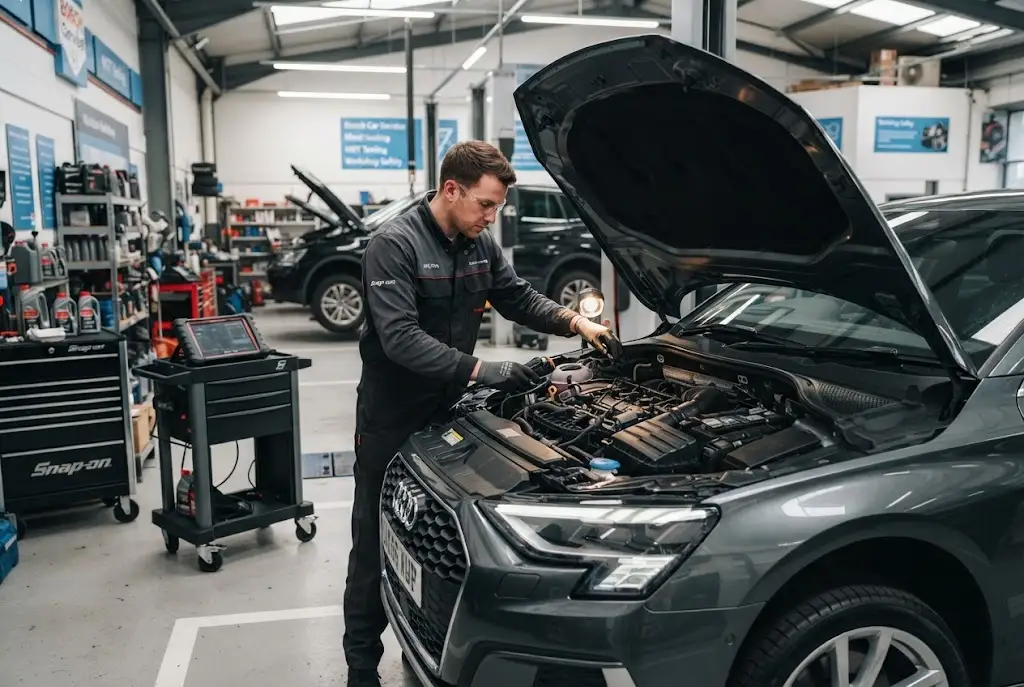
Preventive maintenance is one of the most effective ways for UK motorists to stay ahead of avoidable vehicle problems. Instead of waiting for a warning light, unusual noise or breakdown to appear, preventive maintenance focuses on regular checks, servicing and timely replacement of worn components. This approach can help drivers understand their vehicle’s condition and deal with developing issues before they become more disruptive.
Good vehicle maintenance is not limited to taking a car to a garage once a year. It includes following the appropriate service schedule, monitoring basic components, keeping maintenance records and responding to service reminders. When combined with professional inspections and appropriate repairs, these habits can make vehicle ownership more organised and predictable.
What Is Preventive Maintenance?
Preventive maintenance is planned vehicle care carried out to reduce the likelihood of avoidable faults and identify developing problems early. It can include scheduled servicing, fluid checks, tyre inspections, brake checks, battery testing and other work recommended for a particular vehicle.
The exact requirements depend on the vehicle. Manufacturer recommendations can vary according to model, engine, age, mileage and usage. Drivers should therefore use the vehicle handbook or manufacturer’s approved maintenance information rather than relying on a generic checklist alone.
Preventive maintenance does not guarantee that a vehicle will never break down. Unexpected failures can still happen. Its purpose is to provide a structured approach to vehicle care and reduce the risk associated with neglected maintenance.
Why Vehicle Maintenance Matters
Regular vehicle maintenance can help identify worn, damaged or deteriorating components before they become more serious. A small issue discovered during a routine inspection may be easier to address than the same problem after a component has failed completely.
Maintenance is also closely connected with road safety. Tyres, brakes, steering, lights and other safety-related systems require appropriate attention throughout a vehicle’s life. The UK government advises drivers that they remain responsible for ensuring their vehicle is roadworthy, even when it has a valid MOT.
An MOT is therefore not a substitute for routine maintenance. It is a regulated test covering specific safety and environmental requirements at the time of testing.
Following a Vehicle Service Schedule
A service schedule provides a framework for completing planned maintenance at appropriate intervals. Depending on the vehicle, servicing may be based on mileage, time or a combination of both.
Service requirements can include oil and filter changes, inspections, fluid checks and other manufacturer-specified maintenance. Some vehicles also use onboard systems to indicate when servicing is due.
Drivers should avoid assuming that every vehicle follows the same interval. Two cars of similar age may have completely different service requirements because of their engines, usage patterns or manufacturer recommendations.
Following the correct schedule also creates a useful record of vehicle care. This can be valuable when diagnosing later problems and when demonstrating how the vehicle has been maintained.
Building a Practical Maintenance Checklist
A maintenance checklist can make regular vehicle care easier to manage. It should complement, rather than replace, the manufacturer’s maintenance instructions.
Depending on the vehicle, a practical checklist may include:
- Checking tyre condition and pressures.
- Checking exterior lights and indicators.
- Monitoring engine oil and other relevant fluid levels.
- Looking for obvious fluid leaks.
- Paying attention to unusual noises or changes in vehicle behaviour.
- Checking windscreen washer fluid.
- Monitoring battery or starting performance.
- Keeping track of scheduled servicing.
- Reviewing warning lights promptly.
- Recording completed maintenance and repairs.
Not every check needs to be performed at the same frequency. Some basic checks can be carried out by the owner, while technical inspections should be left to a suitably qualified professional.
Service Reminders and Maintenance Planning
Service reminders can make it easier to avoid missing scheduled maintenance. Modern vehicles may display maintenance notifications through the dashboard, while drivers can also use digital calendars, manufacturer apps or other reminder systems.
A reminder should be treated as a prompt to review the vehicle’s requirements rather than as a complete maintenance diagnosis. If the vehicle is showing unusual symptoms, waiting for the next service reminder may not be appropriate.
For drivers who manage several vehicles, digital reminders can be particularly useful because each vehicle may have different servicing intervals and maintenance requirements.
Digital Service History and Maintenance Records
Keeping an organised digital service history can provide a clear record of completed maintenance. Instead of relying only on paper invoices, owners can retain information about servicing, repairs, inspections and replacement components in a structured format.
Accurate maintenance records can also help technicians understand what has already been done to a vehicle. If a recurring problem appears, previous repair information may provide useful context.
Drivers should keep invoices, service documentation and relevant repair information where possible. Consistent records can also make it easier to understand the vehicle’s maintenance history when ownership changes.
Preventive Maintenance for Brakes, Tyres and Steering
Safety-critical components deserve particular attention. Brake performance should not be ignored if the vehicle develops unusual noises, vibrations, changes in pedal feel or reduced braking performance.
Tyres should also be checked regularly for appropriate pressure, visible damage and tread condition. Drivers should follow the vehicle manufacturer’s recommendations and relevant UK legal requirements.
Changes in steering, handling or suspension behaviour can also indicate that professional inspection is required. A vehicle that begins pulling to one side, develops unusual knocking sounds or behaves differently over bumps should be assessed rather than simply monitored indefinitely.
Preventive Maintenance and Vehicle Fluids
Vehicle fluids play an important role in many automotive systems. Depending on the vehicle, these may include engine oil, coolant, brake fluid, transmission fluid and windscreen washer fluid.
Owners should follow the manufacturer’s instructions when checking or topping up fluids. Using an incorrect product or ignoring a leak can create additional problems.
A noticeable loss of fluid should not simply be treated as something that needs repeated topping up. A leak or system fault may require professional investigation and repair.
How Preventive Maintenance Can Reduce Breakdown Risk
Not every breakdown can be predicted, but regular maintenance can help reduce the likelihood of some avoidable failures. A weak battery, worn brake component, deteriorating tyre or neglected service item may be identified before it develops into a more disruptive problem.
This is particularly important for drivers who depend on their vehicles for commuting, business travel or long-distance journeys. An unexpected fault can cause delays and may require emergency auto repair or roadside assistance.
When a problem does occur, professional auto repair services can establish the cause and determine what work is required.
The Role of an Auto Garage in Preventive Maintenance
A suitable auto garage can provide professional inspections and scheduled servicing that go beyond basic checks an owner can safely perform at home.
Garage technicians can inspect components, carry out servicing procedures and use appropriate diagnostic equipment where required. This is particularly valuable when a vehicle has warning lights, unusual symptoms or maintenance requirements that need specialist tools.
Drivers do not necessarily need to use the same type of garage for every task. A general workshop may be suitable for routine servicing, while a specialist garage can be appropriate for certain complex vehicle systems.
Preventive Maintenance for Different Driving Patterns
Vehicle maintenance should take actual usage into account. A car used mainly for short urban journeys may experience different operating conditions from one that regularly travels long motorway distances.
Frequent short trips can place particular demands on certain vehicle systems, while high annual mileage can increase the importance of staying organised with scheduled maintenance. Drivers who tow, carry heavy loads or regularly operate their vehicles in demanding conditions should also follow the manufacturer’s guidance for those circumstances.
Rather than relying on a one-size-fits-all routine, owners should consider the manufacturer’s recommendations alongside how the vehicle is actually used.
Preventive Maintenance and Car Service Plans
Some drivers prefer to spread the cost of planned maintenance through car service plans. These arrangements can cover specified scheduled servicing depending on the provider and vehicle.
A service plan can support maintenance planning, but drivers should understand exactly what is included. Wear-and-tear items, unexpected repairs and emergency breakdowns may be treated separately depending on the agreement.
The important point is that a service plan should complement good maintenance habits rather than replace regular attention to the vehicle.
When Preventive Maintenance Becomes a Repair
Preventive maintenance often identifies problems that need further work. For example, an inspection may reveal worn brake components, a deteriorating belt or another component approaching the end of its useful service life.
At that stage, the work moves beyond routine inspection and becomes a repair or replacement task. Addressing the problem promptly can be preferable to waiting until the component fails.
For more complicated issues, repair diagnostics may be necessary to establish the underlying cause before work is authorised.
Creating a Long-Term Vehicle Maintenance Routine
A practical maintenance routine should combine scheduled servicing, regular basic checks, accurate records and timely professional attention.
Start by identifying the manufacturer’s recommended service intervals. Then keep track of upcoming work using service reminders. Record completed servicing and repairs, and pay attention to changes in the vehicle between scheduled visits.
When a warning light, unusual sound, fluid leak or handling change appears, treat it as a reason to investigate rather than automatically waiting until the next scheduled service.
This approach creates a continuous maintenance cycle: monitor the vehicle, complete scheduled maintenance, investigate developing problems, carry out necessary repairs and keep the records updated.
Conclusion
Preventive maintenance gives UK drivers a structured way to look after their vehicles before problems become more disruptive. Following the correct service schedule, monitoring important components, keeping maintenance records and responding to service reminders can all contribute to better vehicle management.
Preventive maintenance cannot eliminate every breakdown or repair requirement. However, it can help identify developing issues earlier and reduce the risk of neglecting important maintenance tasks. When professional work is required, choosing an appropriate garage and keeping a clear service history can make the process easier.
Ultimately, effective vehicle care is about consistency. Rather than waiting for a vehicle to fail, drivers can use planned servicing, regular checks and timely repairs to maintain their cars throughout their ownership.
