

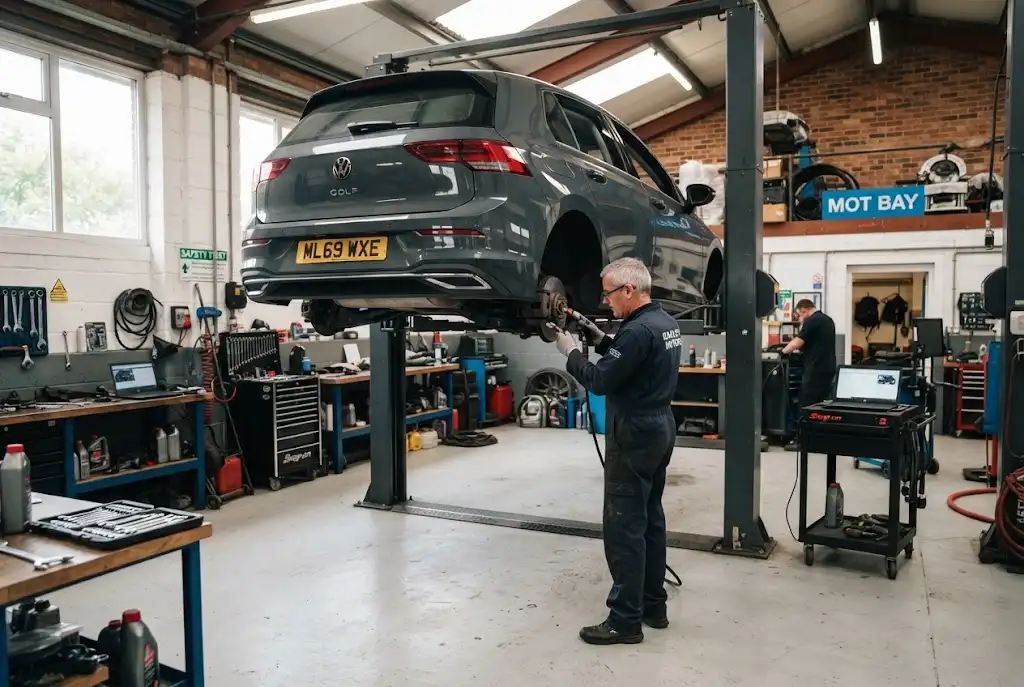
Choosing the right auto garage can make a significant difference when your vehicle needs servicing, diagnostics, maintenance or repairs. UK motorists have access to several types of automotive businesses, including independent garages, franchise garages, fast-fit centres, specialist workshops and manufacturer-linked service centres. Each option can offer different advantages depending on the vehicle, the work required and the driver’s priorities.
Understanding how these garage types differ makes it easier to decide where to take a car for routine maintenance or a more complicated repair. It can also help drivers distinguish between a workshop that specialises in a particular vehicle or system and one that provides broader general repair services.
What Is an Auto Garage?
An auto garage is a business or workshop that provides vehicle-related services such as inspection, maintenance, diagnostics, servicing and repairs. The exact services available vary considerably between businesses.
A general garage may handle brakes, batteries, suspension, exhausts, servicing and common mechanical faults. Other workshops concentrate on particular manufacturers, vehicle types or technical systems.
Some garages also offer MOT testing where they have the appropriate approval and facilities. However, an MOT test is a regulated inspection and should not be confused with general servicing or repair work.
Independent Garages
Independent garages are privately operated workshops that are not necessarily part of a major manufacturer or national franchise network. They range from small local businesses to larger multi-technician workshops.
One potential advantage is flexibility. An independent garage may provide a broad range of services and can often work with vehicles from different manufacturers. Many local workshops also build long-term relationships with customers who prefer to use the same business for routine maintenance and repairs.
However, capabilities vary between independent businesses. Drivers should consider whether the garage has the equipment, diagnostic capability and experience needed for the specific vehicle or repair.
Franchise Garages
Franchise garages operate under an established automotive brand and normally follow that organisation’s systems, standards and service processes. Their network structure can provide customers with a more consistent experience across different locations.
Depending on the franchise, workshops may offer servicing, diagnostics, mechanical repairs, tyres and other vehicle services. Some are designed for general vehicle maintenance, while others have stronger links to particular manufacturers or service programmes.
For drivers, the important consideration is not simply the franchise name but whether the individual workshop is suitable for the work required.
Auto Care Centres
Auto care centres typically provide a range of maintenance and repair services under one roof. The exact offering differs between operators, but common services can include tyres, brakes, batteries, exhaust systems, servicing and basic diagnostics.
These centres can be convenient for drivers who need several routine maintenance tasks handled during the same visit. They may also provide online booking systems or service reminders to make routine vehicle care easier to organise.
For more complicated faults, however, drivers should check whether the centre has the specialist diagnostic equipment and technical expertise required.
Service Centres
Service centres are generally focused on maintaining vehicles according to planned service requirements. Depending on the business, they may provide inspections, oil and filter changes, brake checks, fluid checks, scheduled servicing and other routine work.
Some service centres are associated with vehicle manufacturers, while others operate independently. Manufacturer-oriented centres may be particularly familiar with the recommended service requirements for specific models.
Routine servicing is different from emergency repair. A scheduled service is intended to maintain the vehicle and identify developing issues, while repair work addresses an existing fault.
Repair Workshops
Repair workshops tend to focus more heavily on diagnosing and fixing faults. They may handle mechanical, electrical and electronic problems, depending on their equipment and expertise.
A good repair workshop normally begins by identifying the underlying cause of a problem rather than immediately replacing parts. This is where repair diagnostics can play an important role.
For complex issues, a workshop may need additional diagnostic testing, specialist tools or technical information before recommending a repair.
Fast-Fit Centres
Fast-fit centres are commonly associated with services that can be completed relatively quickly, such as tyres, exhaust components, batteries, brakes and selected maintenance tasks.
The convenience of a fast-fit centre can be useful for straightforward work. Drivers may also benefit from online booking and accessible locations, depending on the operator.
However, not every fast-fit centre is equipped to investigate complicated electrical, engine or transmission faults. If a problem involves multiple systems or requires detailed fault finding, a specialist workshop may be more appropriate.
Specialist Garages
Specialist garages concentrate on particular manufacturers, vehicle types, technologies or repair areas. For example, a workshop may specialise in a specific vehicle brand, performance cars, classic vehicles, automatic transmissions or electrical systems.
The benefit of specialist knowledge can be particularly important when dealing with complex or unusual problems. Technicians who regularly work on a particular type of vehicle may already be familiar with common faults, diagnostic procedures and component locations.
Drivers should nevertheless check that the specialist’s expertise matches their particular vehicle and repair requirement.
Local Mechanics
Local mechanics can provide a convenient option for motorists who prefer to use a nearby workshop. A trusted local mechanic may become familiar with a vehicle’s history and provide continuity over multiple servicing and repair visits.
Before choosing a local mechanic, consider the services offered, workshop equipment, diagnostic capabilities and experience with your vehicle. A small workshop can be highly capable, but its available equipment and specialisms may differ from those of a larger service centre.
How to Choose the Right Auto Garage
The best auto garage depends on what your vehicle actually needs. There is no single workshop type that is ideal for every situation.
For routine maintenance, a reputable general garage or service centre may be sufficient. For a tyre or exhaust issue, a fast-fit centre could be convenient. A complicated electrical fault may be better suited to a specialist, while manufacturer-specific requirements could make a suitable franchise or specialist workshop worth considering.
Before booking, consider the following:
- Does the garage offer the required service?
- Does it have suitable diagnostic equipment?
- Does the workshop have experience with your vehicle?
- Can it handle the type of repair involved?
- Does it explain recommended work clearly?
- Are parts and labour costs explained before work begins?
- Can it provide appropriate records of servicing or repairs?
Auto Garage vs Emergency Repair
A normal garage visit is usually planned, whereas a breakdown may require immediate assistance. If your vehicle cannot safely reach a workshop, arranging emergency auto repair may be the better first step.
Roadside assistance can sometimes resolve a minor issue at the vehicle’s location. If the fault is more serious, the vehicle may need to be recovered to a suitable repair workshop.
Understanding this distinction can prevent drivers from attempting to drive an unsafe vehicle to a garage simply because they already have a preferred workshop.
Choosing a Garage for Preventive Maintenance
Garages are not only useful when something breaks. Regular maintenance can help identify worn or deteriorating components before they develop into more serious problems.
Drivers following a preventive maintenance approach can use a suitable garage for routine inspections and scheduled work. Keeping a maintenance record also provides a useful history of previous servicing and repairs.
Service intervals vary according to the vehicle and manufacturer. Following the appropriate service schedule helps ensure that routine maintenance is not overlooked.
Questions to Ask an Auto Garage
Asking a few straightforward questions can help you understand what the workshop has identified before authorising repairs.
Ask what caused the problem, whether the issue has been confirmed through testing, which components require attention and whether other problems were discovered during inspection. It is also useful to ask whether the repair is urgent or whether a component can reasonably be monitored until a later service.
For major repairs, request a clear explanation of the recommended work and expected costs. Good communication can make the repair process considerably easier for both the driver and the workshop.
Garage Records and Long-Term Vehicle Care
Keeping accurate maintenance records can help create a useful history of the vehicle. Records can show when servicing was completed, which components were replaced and whether recurring problems have already been investigated.
A digital service history can make this information easier to access and organise. Drivers can also use service reminders to keep track of upcoming maintenance.
For motorists who prefer planned maintenance costs, car service plans may provide another option. The exact coverage depends on the provider and vehicle, so terms should always be checked carefully.
When a Specialist Garage Makes More Sense
A specialist workshop may be worthwhile when the problem requires expertise that a general garage does not routinely provide. Complex electronic faults, specialist transmissions, performance modifications and certain manufacturer-specific issues can require dedicated knowledge and equipment.
That does not mean a general garage cannot handle complicated work. The key consideration is whether the individual workshop has the skills and resources required for the particular repair.
Drivers should therefore focus on capability rather than simply choosing the largest or most recognisable business.
Final Thoughts
The UK automotive repair market includes many different types of workshops, from independent garages and local mechanics to franchise garages, fast-fit centres, service centres and specialist workshops. Each can serve a useful purpose, but the right choice depends on the vehicle and the work required.
A routine maintenance task may be straightforward for a general garage, while a complicated diagnostic issue may justify a specialist. Similarly, a vehicle that cannot safely be driven should be dealt with through appropriate roadside assistance or emergency repair rather than simply being taken to a workshop.
Understanding the different types of auto garage makes it easier to match a vehicle problem with the right type of professional support. Combined with preventive maintenance, accurate service records and timely repairs, that approach can help UK motorists manage vehicle ownership more confidently.
