

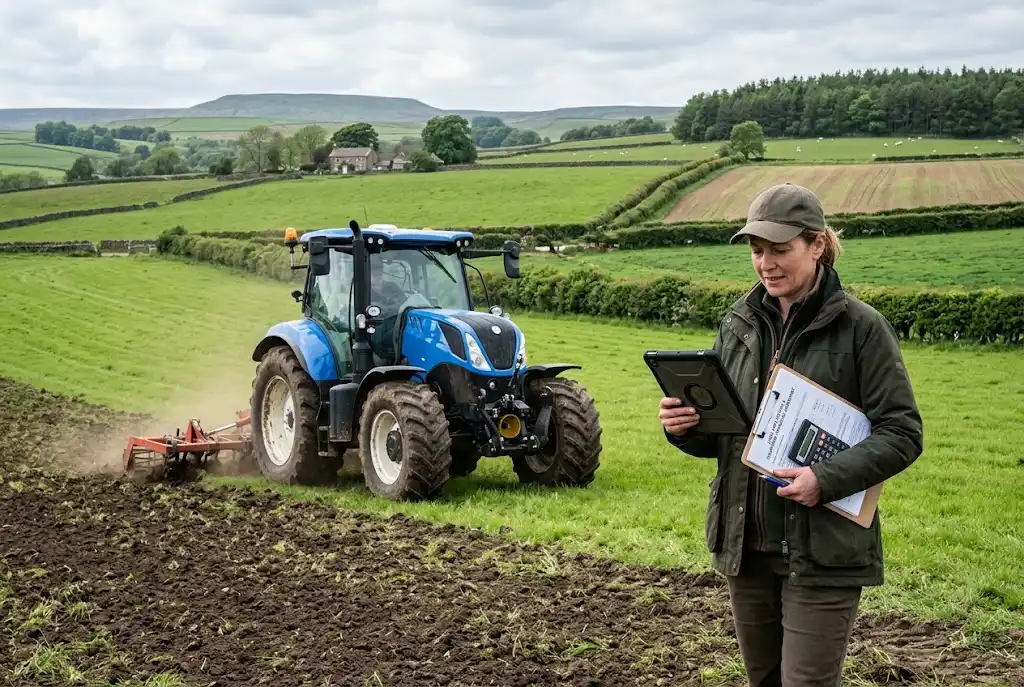
Purchasing a tractor is one of the biggest investments many farmers make. Whether you’re managing a small family farm or expanding a commercial agricultural operation, tractors are essential for improving productivity and efficiency.
Unfortunately, tractors can be expensive, making outright purchases difficult for many buyers. That’s why tractor loans have become one of the most popular financing solutions for farmers and agricultural businesses.
This guide explains how tractor financing works, available loan options, eligibility requirements, and how to secure the best financing terms for your farming needs.
Why Many Farmers Choose Tractor Loans
Modern tractors often cost tens of thousands of dollars, while larger commercial models can exceed six figures.
Instead of tying up valuable cash reserves, many farmers choose financing because it allows them to:
- Preserve working capital
- Acquire equipment immediately
- Improve operational efficiency
- Spread costs over manageable monthly payments
- Upgrade equipment more frequently
Whether purchasing a new or used tractor, financing makes ownership more accessible.
How Tractor Loans Work
A tractor loan functions similarly to other equipment financing products.
After selecting a tractor, you’ll apply for financing through a lender. Once approved, the lender pays the seller, and you repay the loan through scheduled installments.
Loan terms typically include:
- Loan amount
- Interest rate
- Repayment period
- Down payment requirement
- Collateral terms
The tractor itself often serves as collateral for the loan.
New vs Used Tractor Financing
Financing a New Tractor
New tractors offer:
- Manufacturer warranties
- Latest technology
- Lower maintenance costs
- Longer service life
Many manufacturers also provide promotional financing programs with attractive rates.
Financing a Used Tractor
Used tractors are often significantly more affordable.
Benefits include:
- Lower purchase price
- Reduced depreciation
- Lower financing requirements
However, lenders may require equipment inspections or impose different financing terms depending on the tractor’s age and condition.
Types of Tractor Financing Available
Bank Loans
Traditional banks remain one of the most common sources of agricultural equipment financing.
Advantages include:
- Competitive interest rates
- Flexible repayment periods
- Established lending practices
Banks are often the preferred choice for borrowers with strong credit profiles.
Agricultural Credit Institutions
Many regions offer specialized agricultural lenders that understand the unique challenges farmers face.
These organizations may provide:
- Seasonal payment structures
- Agricultural-specific financing
- Flexible qualification requirements
Manufacturer Financing
Major tractor manufacturers frequently offer financing directly through their dealerships.
Promotions may include:
- Low-interest rates
- Deferred payments
- Special seasonal offers
This option can simplify the purchasing process.
Online Lenders
Online lenders have become increasingly popular for equipment financing.
Benefits include:
- Faster approvals
- Simplified applications
- Flexible credit requirements
However, borrowers should carefully research lender reputation and reviews before proceeding.
Equipment Leasing vs Tractor Loans
Some farmers choose leasing instead of purchasing.
Benefits of Leasing
- Lower monthly payments
- Equipment upgrades more frequently
- Reduced upfront investment
Benefits of Buying
- Full ownership
- Long-term cost savings
- No mileage or usage restrictions
The best option depends on your financial goals and equipment usage requirements.
How Much Down Payment Is Required?
Most lenders require a down payment ranging from 10% to 20% of the purchase price.
Higher down payments often provide:
- Lower monthly payments
- Reduced interest costs
- Improved approval chances
Some manufacturer promotions may offer low or zero-down financing for qualified buyers.
Factors That Affect Tractor Loan Approval
Lenders evaluate several factors when reviewing applications.
Credit Score
Higher credit scores generally qualify for better interest rates and financing terms.
Income and Cash Flow
Lenders want to ensure borrowers can comfortably manage repayments.
Farm Experience
Established farmers may find it easier to secure financing compared to first-time operators.
Business Plan
Some agricultural lenders request details regarding farm operations and future growth plans.
Government Programs for Farmers
In many countries, government-backed agricultural financing programs help support farmers.
Benefits may include:
- Reduced interest rates
- Flexible repayment schedules
- Lower qualification barriers
- Support for beginning farmers
Research local agricultural agencies to explore available opportunities.
Tips for Getting the Best Tractor Loan
- Check your credit score before applying.
- Compare multiple lenders.
- Review interest rates carefully.
- Understand all fees and charges.
- Calculate total repayment costs.
- Consider future maintenance expenses.
- Avoid borrowing more than necessary.
Preparation often leads to better financing outcomes.
Protecting Your Investment
Once you’ve purchased your tractor, regular maintenance becomes essential for protecting your investment and maximizing equipment lifespan.
The same principle applies to vehicle ownership. If you’re maintaining multiple vehicles or farm transportation assets, our guide on Trusted Auto Repair Eden Prairie MN explains how professional maintenance can extend equipment reliability.
Technology Is Changing Agricultural Equipment
Modern tractors increasingly feature advanced technology such as GPS guidance, telematics, autonomous functions, and precision farming tools.
Understanding modern technology before investing can help you choose equipment that supports long-term productivity. Our guide on The Essential Tech Features to Look for When Buying a Car highlights many technologies that are now influencing agricultural equipment as well.
Frequently Asked Questions
Can I finance a used tractor?
Yes. Many lenders offer financing for used tractors, although terms may vary depending on age and condition.
What credit score is needed for a tractor loan?
Requirements vary by lender, but higher credit scores typically receive better rates and terms.
Can first-time farmers qualify for financing?
Yes. Many agricultural lenders and government programs specifically support new farmers.
Is leasing better than buying?
Leasing may offer lower monthly payments, while buying provides ownership and long-term value.
Final Thoughts
Tractor loans make it possible for farmers to acquire essential equipment without overwhelming upfront costs. By comparing lenders, understanding financing options, and selecting terms that align with your operational needs, you can secure affordable funding while supporting the growth of your farm.
Whether you’re purchasing your first tractor or upgrading an existing fleet, the right financing strategy can help improve productivity, preserve cash flow, and position your agricultural business for long-term success.
