

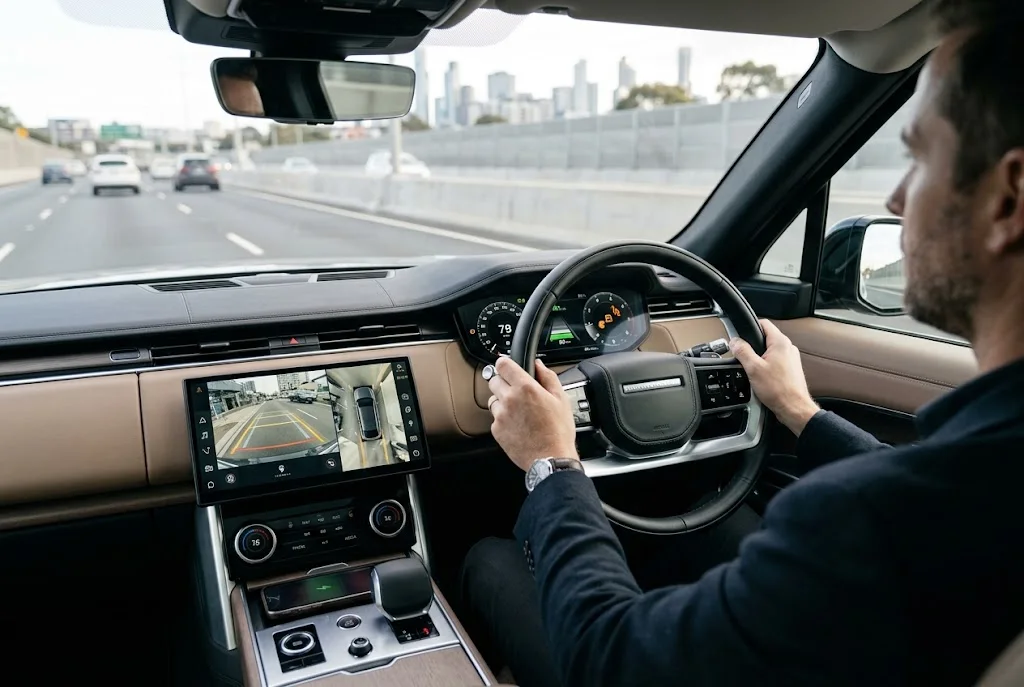
Buying a car today involves much more than comparing horsepower figures, fuel economy ratings, or exterior styling. Modern vehicles have evolved into highly connected machines packed with technology designed to improve safety, convenience, entertainment, and overall driving experience.
Whether you’re shopping for a compact city car, a family SUV, or a premium luxury vehicle, understanding which technologies truly matter can help you make a smarter investment. While flashy gadgets may grab attention in a showroom, the most valuable features are those that enhance everyday driving and provide long-term benefits.
This guide explores the essential tech features every buyer should consider before purchasing their next vehicle.
Why Technology Matters More Than Ever
Automotive technology has transformed the way people drive. Features that were once available only in premium luxury vehicles are now becoming standard across many segments.
Modern vehicle technology can:
- Improve road safety
- Reduce driver fatigue
- Increase convenience
- Enhance fuel efficiency
- Protect vehicle occupants
- Improve resale value
Understanding which features provide genuine value helps buyers avoid paying for technology they may never use.
Advanced Driver Assistance Systems (ADAS)
One of the most important developments in modern vehicles is the introduction of Advanced Driver Assistance Systems, commonly known as ADAS.
These systems use cameras, sensors, and radar technology to assist drivers and reduce accident risks.
Popular ADAS features include:
- Lane Keeping Assist
- Forward Collision Warning
- Automatic Emergency Braking
- Blind Spot Monitoring
- Rear Cross-Traffic Alert
- Traffic Sign Recognition
Many automotive experts consider these technologies among the most valuable safety investments available today.
Adaptive Cruise Control
Traditional cruise control maintains a constant speed. Adaptive Cruise Control goes much further.
Using radar and sensors, the system automatically adjusts your vehicle’s speed to maintain a safe distance from traffic ahead.
This feature is especially useful during:
- Long motorway journeys
- Heavy traffic conditions
- Daily commuting
- Road trips
Adaptive cruise control significantly reduces driver fatigue and improves overall comfort during extended journeys.
Smartphone Integration
Modern drivers expect seamless smartphone connectivity.
The two most important systems currently available are:
- Apple CarPlay
- Android Auto
These platforms allow drivers to access navigation, messaging, calls, music, and selected applications directly through the vehicle’s infotainment system.
Instead of handling a phone while driving, users can safely control key functions through voice commands or dashboard controls.
Modern Infotainment Systems
The infotainment system serves as the vehicle’s digital command center.
When evaluating a vehicle, pay attention to:
- Screen size
- Touchscreen responsiveness
- User interface design
- Voice recognition quality
- Software update capability
- Navigation performance
A well-designed infotainment system improves daily usability and reduces distractions behind the wheel.
360-Degree Camera Systems
Parking technology has improved dramatically in recent years.
A 360-degree camera system combines images from multiple cameras around the vehicle to create a bird’s-eye view of your surroundings.
Benefits include:
- Easier parking
- Improved visibility
- Reduced collision risk
- Greater confidence in tight spaces
For larger vehicles such as SUVs and pickups, this feature can be particularly valuable.
Blind Spot Monitoring
Blind spots remain one of the leading causes of lane-change accidents.
The Blind Spot Monitoring uses sensors to detect vehicles that may not be visible through mirrors alone.
When another vehicle enters your blind spot, visual or audible alerts notify you before changing lanes.
This technology has become increasingly common and is highly recommended for drivers of all experience levels.
Wireless Charging and USB Connectivity
Modern drivers often travel with multiple devices.
Convenient charging options now include:
- Wireless charging pads
- USB-C ports
- Fast charging connections
- Rear passenger charging ports
While these features may seem minor, they contribute significantly to daily convenience.
Digital Instrument Clusters
Many modern vehicles have replaced traditional gauges with fully digital displays.
Advantages include:
- Customisable layouts
- Improved navigation visibility
- Better information display
- Enhanced driver awareness
Drivers can often personalise the information displayed based on their preferences and driving habits.
Vehicle Security Technology
Security remains a major concern for vehicle owners.
Important security technologies include:
- Keyless entry systems
- Immobilisers
- GPS tracking
- Remote vehicle monitoring
- Smartphone security apps
These systems help protect vehicles against theft while providing additional peace of mind.
Electric and Hybrid Vehicle Technology
As electric vehicles become more popular, buyers should evaluate the technology supporting battery management and charging.
Important features include:
- Battery range estimation
- Charging station navigation
- Energy monitoring systems
- Remote charging controls
- Regenerative braking management
These tools help drivers maximise efficiency and reduce range anxiety.
Technology Shouldn’t Replace Vehicle Research
While modern technology is important, buyers should never overlook the fundamentals.
Before purchasing any used vehicle, always verify its history and condition.
Our guide on why a Carfax USA Report matters explains how vehicle history reports can reveal accidents, title issues, and mileage discrepancies that may affect long-term ownership.
Likewise, buyers beginning their vehicle search should review our Beginner’s Guide to Carsnip to learn how online platforms simplify vehicle comparisons and research.
Buying Internationally? Technology Matters There Too
When purchasing vehicles abroad, modern technology should remain part of your evaluation process.
Our guide on buying cars in Uruguay highlights the importance of balancing vehicle condition, ownership records, and technology features when comparing available options.
Future-Proofing Your Purchase
Technology continues to evolve rapidly.
When comparing vehicles, consider which features are likely to remain useful over the next several years.
Features such as:
- Wireless smartphone integration
- Advanced safety systems
- Over-the-air software updates
- Connected vehicle services
are likely to become increasingly important as automotive technology advances.
Common Technology Mistakes Buyers Make
Avoid these common mistakes:
- Focusing only on screen size
- Ignoring safety technology
- Overpaying for rarely used features
- Neglecting software usability
- Skipping test drives of technology systems
The best technology is not necessarily the most advanced—it’s the technology that improves your daily driving experience.
Final Thoughts
The essential tech features when buying a car go far beyond entertainment and convenience. Modern technologies can improve safety, reduce stress, enhance comfort, and contribute to a better ownership experience overall.
From adaptive cruise control and blind spot monitoring to smartphone integration and advanced security systems, today’s vehicles offer features that were once unimaginable. Understanding which technologies provide genuine value helps buyers make informed decisions and avoid unnecessary expenses.
As automotive innovation continues to accelerate, choosing a vehicle equipped with practical, future-focused technology can deliver benefits for years to come.
