

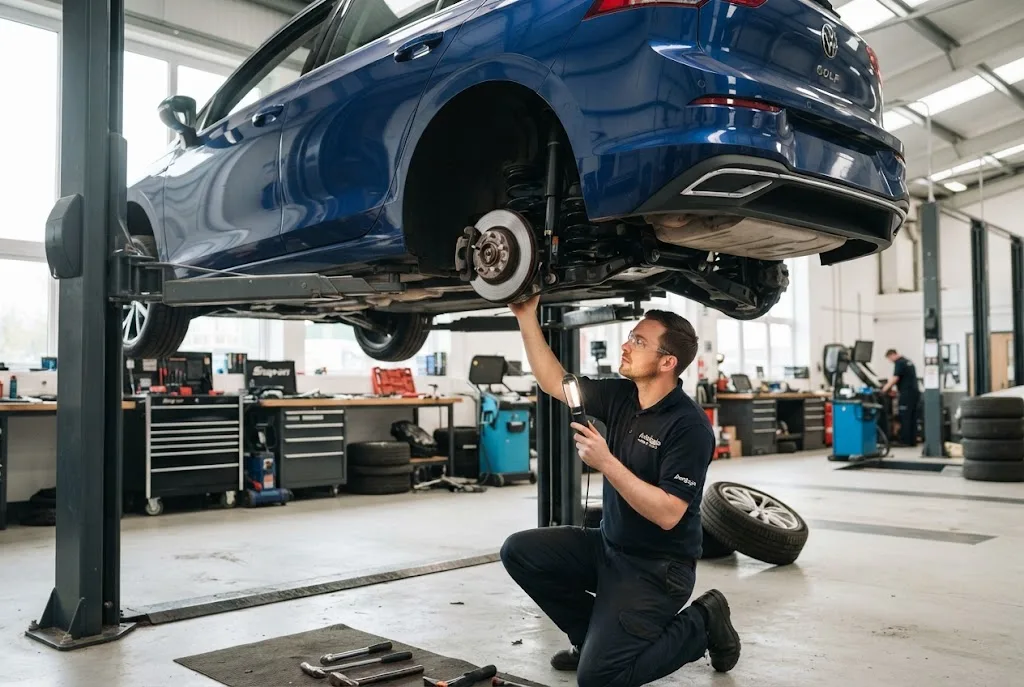
Suspension repair is an important part of keeping a vehicle comfortable, stable and predictable on UK roads. The suspension system helps maintain contact between the tyres and road while controlling movement caused by bumps, potholes, uneven surfaces and changes in direction. When components begin to wear, the effects can appear as unusual noises, excessive bouncing, uneven tyre wear or changes in handling.
Understanding the role of suspension components can help drivers recognise problems earlier. From suspension inspection and routine maintenance to suspension replacement and steering repair, different services address different faults. This guide explains how the system works, common warning signs, when repairs may be required and what drivers should know before visiting a suspension garage.
What Is Suspension Repair?
Suspension repair involves diagnosing and correcting faults affecting the components that connect a vehicle’s wheels to its body. The work can range from replacing a worn component to addressing several related issues affecting handling and ride quality.
A vehicle’s suspension is made up of multiple components that work together. Depending on the vehicle, these can include springs, shock absorbers or struts, control arms, bushes, ball joints and other mounting components.
The precise repair depends on the vehicle’s design and the fault identified during inspection. A good diagnosis should establish the source of the problem before replacement parts are fitted.
How Does a Vehicle Suspension System Work?
The suspension system has several important jobs. It helps absorb impacts from uneven road surfaces, controls unwanted body movement and helps keep the tyres in contact with the road.
Springs support the vehicle’s weight and allow the wheels to move over bumps. Dampers, often referred to as shock absorbers, control the movement of the springs after an impact. Other suspension components guide wheel movement and connect the wheel assembly to the vehicle’s structure.
Because these parts work together, a fault in one area can affect other components. For example, worn bushes or damaged mounting points can alter how the suspension behaves and may contribute to unusual tyre wear.
Common Signs You May Need Suspension Repair
Suspension faults can develop gradually, so drivers may initially notice subtle changes rather than an obvious failure. Recognising these symptoms can help prompt an inspection before the problem becomes more extensive.
- Excessive bouncing after driving over bumps
- Unusual knocking or clunking noises
- Vehicle pulling or wandering while driving
- Uneven or accelerated tyre wear
- Excessive body roll when cornering
- A vehicle that appears lower on one side
- Changes in ride comfort or handling
- Visible damage or fluid leakage around suspension components
These symptoms can have more than one possible cause. For that reason, replacing a part based solely on a symptom is not always the right approach. A proper inspection can help identify the underlying fault.
Suspension Inspection: What Does It Involve?
A suspension inspection is designed to assess the condition of the system and identify worn, damaged or loose components. The exact procedure varies according to the vehicle and the symptoms being investigated.
A technician may examine springs, dampers, bushes, control arms, ball joints and mounting points. They may also look for signs of physical damage, corrosion, abnormal movement or fluid leakage.
Tyre condition can provide additional clues. Uneven wear patterns may indicate a suspension or wheel geometry issue, although tyres can also wear unevenly for other reasons.
If the vehicle has recently developed unusual handling, a suspension inspection can help determine whether the issue is mechanical, alignment-related or connected to another part of the vehicle.
Suspension Replacement vs Suspension Repair
Not every suspension problem requires complete suspension replacement. In some cases, replacing one worn component may be sufficient. In others, several components may have reached the end of their useful service life.
Suspension replacement can involve components such as shock absorbers, struts, springs or control arms, depending on the vehicle’s design. The decision should be based on the condition of the parts and the manufacturer’s specifications.
It is also important to consider related components. Replacing one worn part may reveal another component that is also deteriorated. A professional assessment can help determine the appropriate scope of work rather than automatically replacing the entire system.
How Suspension Problems Affect Steering
The suspension and steering systems are closely connected because both influence how the vehicle responds to driver inputs and how the wheels interact with the road.
Worn suspension components can affect wheel position and handling. Likewise, faults within the steering system can produce symptoms that may initially appear to be suspension-related.
Problems such as excessive play, unusual steering resistance, vibration or difficulty keeping the vehicle on a straight path should therefore be investigated rather than attributed to suspension wear without a proper diagnosis.
Steering Repair and Suspension Issues
Steering repair addresses faults affecting the components responsible for directing the vehicle. Depending on the vehicle, this can include steering racks, linkages, joints and associated components.
Because steering and suspension components can work together around the wheel assembly, a garage may inspect both systems when a driver reports handling problems.
A vehicle that feels unstable, pulls to one side or develops unusual steering behaviour may need more than a simple suspension check. A complete assessment can help distinguish between suspension wear, steering faults and wheel alignment issues.
Why Steering Alignment Matters
Steering alignment is often discussed alongside suspension work because changes to suspension components can affect wheel geometry. Wheel angles need to remain within the appropriate specifications so the vehicle can handle correctly and the tyres can maintain suitable contact with the road.
If suspension components have been replaced, checking the alignment may be appropriate depending on the work performed. Incorrect alignment can contribute to uneven tyre wear and changes in steering behaviour.
Drivers should not assume that every suspension fault is an alignment problem, however. Alignment adjustments cannot repair a mechanically damaged or worn component.
Suspension Maintenance for UK Roads
Regular suspension maintenance can help identify developing faults before they affect other components. UK driving conditions can expose vehicles to potholes, road imperfections, speed bumps and uneven surfaces, all of which can place additional loads on suspension components.
Drivers should pay attention to changes in ride quality and handling. It is also sensible to have the suspension checked when unusual noises appear or when tyres begin showing abnormal wear.
Routine vehicle servicing provides another opportunity to identify suspension problems. However, a driver should arrange an additional inspection if symptoms appear between scheduled services.
Choosing a Suspension Garage
When selecting a suspension garage, look for a provider that can diagnose the problem rather than simply replacing parts based on symptoms. A clear explanation of the fault and recommended repair makes it easier to understand the work being proposed.
It is also useful to ask whether the quotation covers parts and labour and whether additional alignment checks are recommended after the repair. The exact requirements depend on which components are being replaced.
A garage experienced with the particular vehicle can also be useful when dealing with suspension systems that have specialised components or unusual designs.
When Should You Book Suspension Repair?
Drivers should consider arranging an inspection when they notice persistent knocking, excessive bouncing, unusual tyre wear, changes in handling or visible suspension damage.
Prompt investigation is particularly important when a vehicle’s stability or steering behaviour has changed. Suspension components contribute to how the tyres remain in contact with the road, so ignoring significant faults can affect the vehicle’s overall handling.
It is also worth checking the suspension after a significant pothole impact if the vehicle subsequently develops new noises, steering changes or tyre problems. A visual inspection may not always reveal every issue, so professional assessment can be appropriate when symptoms continue.
Understanding Suspension Repair Costs
The cost of suspension repair varies according to the vehicle, the damaged components, parts required and labour involved. Replacing a single component is different from carrying out extensive suspension replacement.
Parts can also differ substantially between vehicle models. Original-equipment components, aftermarket alternatives and specialist performance parts may have different prices and specifications.
When comparing quotations, ask for a breakdown showing which components need replacing and why. This makes it easier to compare like-for-like work rather than focusing only on the headline price.
Suspension Repair and Safer Driving
A healthy suspension system supports predictable handling, ride comfort and consistent tyre contact with the road. It does not work independently, either. Suspension, steering, tyres and wheel geometry all contribute to the way a vehicle behaves.
For that reason, suspension repair should begin with an accurate diagnosis. A worn shock absorber, damaged spring, deteriorated bush or steering component can require a different solution, even when the symptoms appear similar.
Regular suspension maintenance and timely inspections can help drivers identify problems before they become more complicated. If your vehicle develops unusual noises, uneven tyre wear, excessive bouncing or changes in steering behaviour, arranging a professional suspension inspection is a sensible next step.
By understanding the relationship between suspension components, steering and wheel geometry, drivers can make better-informed decisions about repairs and maintenance while keeping their vehicles reliable on everyday UK roads.
