

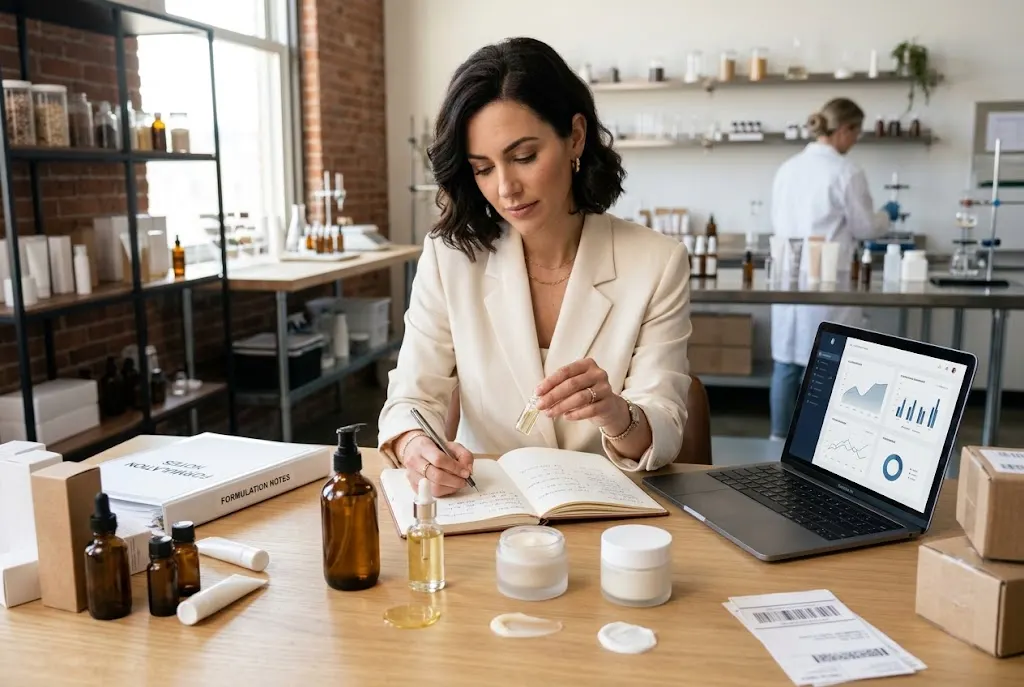
The beauty industry continues to grow as consumers seek innovative skincare products tailored to their needs. For entrepreneurs looking to enter this competitive market, private label skincare offers one of the fastest and most cost-effective paths to launching a beauty brand.
Instead of spending years developing formulations from scratch, private label skincare allows businesses to market professionally manufactured products under their own brand name. This approach reduces development costs, shortens time to market, and enables founders to focus on branding, customer acquisition, and business growth.
Whether you’re launching your first beauty business or expanding an existing product line, understanding how private label skincare works can help you build a profitable and sustainable brand.
What Is Private Label Skincare?
Private label skincare refers to products manufactured by a third-party company and sold under another company’s brand. The manufacturer creates proven formulations while the business owner customizes branding, packaging, and marketing.
Common private label skincare products include:
- Facial cleansers
- Moisturizers
- Anti-aging serums
- Face masks
- Sunscreens
- Eye creams
- Body lotions
- Acne treatments
- Natural skincare products
This model enables entrepreneurs to enter the beauty market without maintaining expensive laboratories or research facilities.
Why Private Label Skincare Is Growing Rapidly
The skincare market has become increasingly attractive because consumers are willing to invest in products that improve skin health and appearance. Social media, influencer marketing, and e-commerce platforms have also made it easier for new brands to reach customers.
Private label skincare allows businesses to capitalize on these trends while minimizing startup risks.
Faster Product Launches
Developing skincare formulas from scratch can take months or even years. Private label manufacturers already have tested formulations available, allowing brands to launch much faster.
Lower Startup Costs
Research, formulation testing, regulatory compliance, and production equipment can be expensive. Private labeling eliminates many of these costs and helps entrepreneurs allocate resources toward marketing and growth.
Scalability
As demand grows, manufacturers can often increase production volumes without requiring significant operational changes from the brand owner.
How Private Label Skincare Works
The process typically follows several straightforward steps.
1. Select a Manufacturer
The first step is finding a reputable skincare manufacturer that offers high-quality products, transparent processes, and reliable support.
Look for manufacturers that provide:
- Quality certifications
- Ingredient transparency
- Low minimum order quantities
- Packaging options
- Regulatory compliance support
- Product testing documentation
2. Choose Your Product Line
Many successful skincare brands begin with a focused product range rather than offering dozens of products immediately.
Popular starter bundles often include:
- Cleanser
- Serum
- Moisturizer
This simplified approach helps establish brand identity and reduces inventory complexity.
3. Develop Your Brand Identity
Your branding differentiates your products from competitors using similar formulations.
Focus on:
- Brand name
- Logo design
- Packaging aesthetics
- Target audience
- Brand mission
- Marketing message
4. Create Marketing Assets
Successful skincare brands invest heavily in content creation, product photography, customer education, and social media marketing.
Educational content often performs exceptionally well because consumers want to understand ingredients, routines, and product benefits.
Benefits of Launching a Private Label Skincare Brand
Reduced Business Risk
Using established formulations reduces uncertainty associated with product development and testing.
Faster Revenue Generation
Since products can reach the market more quickly, businesses can begin generating sales sooner.
Access to Industry Expertise
Many manufacturers provide guidance regarding ingredients, packaging, regulations, and industry trends.
Flexibility
Brands can expand product lines based on customer demand without building manufacturing infrastructure.
Choosing the Right Niche
One of the most important decisions involves selecting a market niche.
Popular skincare niches include:
- Anti-aging skincare
- Acne solutions
- Organic skincare
- Sensitive skin products
- Men’s skincare
- Luxury skincare
- Vegan skincare
- Korean-inspired skincare
A focused niche often helps new brands gain visibility more effectively than broad product offerings.
Marketing Strategies for Private Label Skincare
Build an Educational Content Strategy
Consumers frequently research skincare ingredients and routines before making purchases.
Creating informative content can establish trust and improve search engine visibility.
Businesses can also learn from broader digital growth strategies discussed in Tips to Make Extra Money This Year, where leveraging online opportunities can create additional revenue streams.
Leverage Influencer Partnerships
Influencers can provide social proof and product demonstrations that resonate with target audiences.
Focus on Customer Reviews
Authentic customer feedback significantly influences purchasing decisions in the beauty industry.
Email Marketing
Email campaigns help nurture customer relationships, encourage repeat purchases, and introduce new products.
Common Mistakes to Avoid
Choosing Price Over Quality
Low-cost manufacturers may compromise product quality, packaging, or customer support.
Ignoring Market Research
Understanding customer needs helps shape product selection and marketing strategies.
Overcomplicating Product Lines
Launching too many products at once can create operational challenges and increase costs.
Weak Branding
Without a clear brand identity, products may struggle to stand out in a crowded marketplace.
Compliance and Product Safety
Skincare products must comply with applicable regulations and labeling requirements in target markets.
Brands should verify:
- Ingredient safety documentation
- Manufacturing certifications
- Product testing reports
- Label compliance requirements
- Country-specific regulations
Working with experienced manufacturers can simplify compliance responsibilities.
Scaling Your Private Label Skincare Business
Once initial products gain traction, businesses can expand through:
- New product categories
- Subscription programs
- International markets
- Retail partnerships
- Marketplace platforms
- Wholesale distribution
Strong financial planning is equally important. Entrepreneurs interested in broader business finance topics may find value in learning about Corporate Account Solutions for Singapore Businesses and managing operational growth effectively.
As your business matures, understanding economic trends through resources like FintechZoom Economy Insights can also help guide strategic decisions.
Frequently Asked Questions
Is private label skincare profitable?
Yes. Many skincare brands achieve strong profit margins through effective branding, marketing, and customer retention strategies.
How much money is needed to start a private label skincare brand?
Startup costs vary depending on product selection, inventory volume, packaging, and marketing budgets. Many brands start with a relatively modest investment compared to custom product development.
Can I sell private label skincare online?
Yes. E-commerce platforms, social media channels, and online marketplaces make it easier than ever to sell skincare products directly to consumers.
Do I need my own skincare formula?
No. Private label skincare uses professionally developed formulations provided by manufacturers.
How long does it take to launch?
Many brands can launch within a few weeks or months depending on packaging, branding, and inventory requirements.
Conclusion
Private label skincare provides entrepreneurs with an efficient pathway into the thriving beauty industry. By leveraging proven formulations, focusing on branding, and implementing smart marketing strategies, businesses can establish a strong presence without the significant costs associated with custom product development.
Success ultimately depends on choosing quality manufacturing partners, understanding customer needs, creating a memorable brand, and consistently delivering value. With proper planning and execution, private label skincare can become a scalable and profitable business opportunity for aspiring beauty entrepreneurs.
