

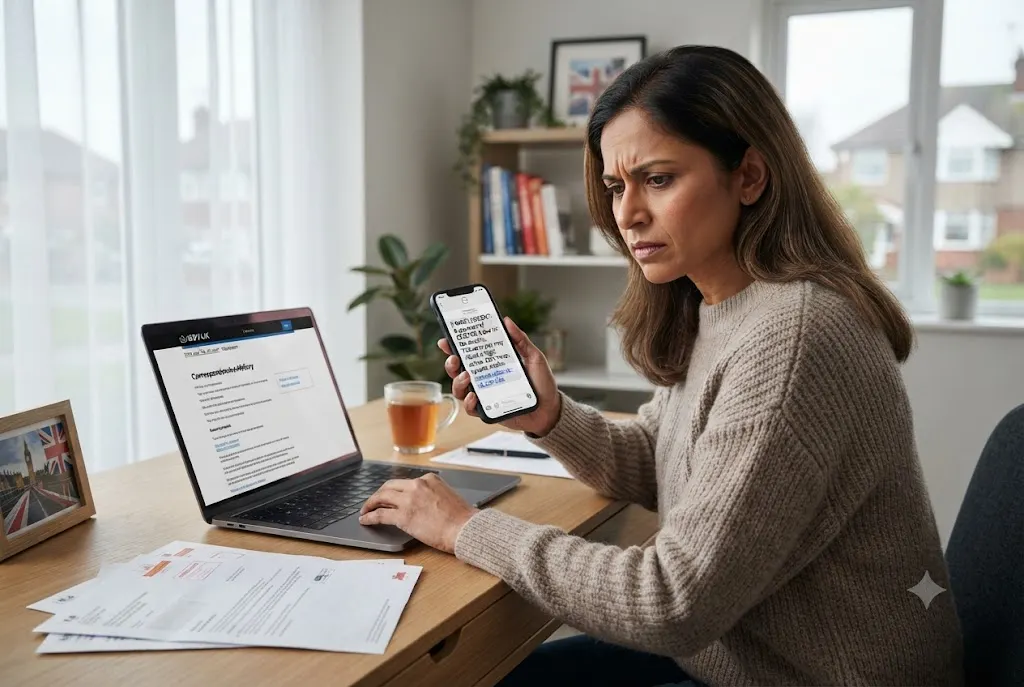
HMRC fraud and Department for Work and Pensions (DWP) scams continue to target thousands of people across the UK every year. Criminals exploit the trust people place in government organisations by sending convincing emails, text messages, letters, and phone calls that appear to come from official sources.
These scams often create urgency by mentioning tax refunds, benefit payments, penalties, National Insurance issues, or cost-of-living support schemes. Understanding how these frauds work can help you avoid financial loss and protect your personal information.
What Is HMRC Fraud?
HMRC fraud occurs when criminals impersonate HM Revenue & Customs to steal money, personal information, or banking details from victims.
Fraudsters may contact people claiming that:
- A tax refund is available.
- Additional tax must be paid.
- A penalty has been issued.
- National Insurance information requires updating.
- An investigation is underway.
The objective is usually to persuade victims to reveal sensitive information or make payments.
How HMRC Scams Typically Work
Most HMRC scams follow a similar pattern.
- The victim receives an unexpected message.
- The message appears official and urgent.
- A link, phone number, or payment request is provided.
- The victim is encouraged to act immediately.
- Money or personal information is stolen.
Modern scammers often use convincing branding, logos, and professional language to appear legitimate.
Common HMRC Fraud Tactics
Fake Tax Refund Messages
One of the most common scams claims that the recipient is entitled to a tax refund.
The message directs the victim to a fraudulent website where personal and banking information is collected.
Tax Debt Threats
Fraudsters may claim that unpaid taxes must be settled immediately to avoid legal action, penalties, or arrest.
These threats are designed to create panic and encourage rushed decisions.
National Insurance Scams
Victims are informed that their National Insurance number has been compromised or linked to suspicious activity.
Scammers then attempt to obtain personal information under the guise of verification.
DWP Scam Message Fraud Explained
A DWP scam message usually involves criminals pretending to represent the Department for Work and Pensions.
Messages often relate to:
- Universal Credit payments
- Cost-of-living support
- Benefit reviews
- Pension updates
- Payment verification requests
Recipients are encouraged to click links, provide information, or make payments.
DWP Text Message Scam Warning Signs
A DWP text message scam is particularly effective because text messages often appear personal and urgent.
Common examples include:
- Benefit payment verification requests.
- Cost-of-living support offers.
- Urgent account updates.
- Payment confirmation links.
- Requests to update banking information.
Legitimate organisations rarely request sensitive information through unsolicited text messages.
Winter Fuel Payment Scam Alerts
The winter fuel payment scam often appears during colder months when government support payments receive increased public attention.
Fraudsters send messages claiming recipients must:
- Confirm eligibility.
- Verify banking details.
- Submit applications.
- Pay administration fees.
These messages frequently contain links leading to fraudulent websites designed to steal personal information.
How Government Impersonation Scams Overlap With Other Fraud Types
HMRC and DWP scams are often a form of impersonation fraud.
Criminals exploit the credibility of trusted organisations to convince victims that their requests are genuine.
The same tactics are commonly used in banking scams, refund fraud, and employment scams.
Warning Signs of Fake Government Messages
Although fraudsters continuously adapt their techniques, several warning signs appear repeatedly.
- Unexpected contact.
- Urgent payment demands.
- Threats of arrest or legal action.
- Requests for banking information.
- Suspicious website links.
- Pressure to act immediately.
- Requests for gift card or cryptocurrency payments.
Government departments generally provide official communication channels and allow reasonable time for responses.
How to Verify HMRC and DWP Communications
If you receive a message claiming to come from a government organisation, verification is essential.
Do Not Click Links Immediately
Avoid clicking links contained in unexpected emails or text messages.
Contact the Organisation Directly
Use official contact details obtained independently from trusted sources.
Check Your Official Accounts
Many legitimate notifications can be verified through official government portals.
Take Time Before Responding
Fraudsters rely on urgency. Taking a few minutes to verify information can prevent significant losses.
What to Do If You Responded to a Scam Message
If you have already clicked a link, provided information, or made a payment, act quickly.
- Contact your bank immediately.
- Change compromised passwords.
- Monitor account activity.
- Preserve communications.
- Report the incident.
Victims may also find useful guidance in our article on how to get money back from a scammer.
How HMRC and DWP Scams Connect to Financial Fraud
Government impersonation scams often lead to wider financial crimes.
Criminals may use stolen information for:
- Identity theft.
- Banking fraud.
- Loan applications.
- Tax-related scams.
- Benefit fraud.
Consumers concerned about broader financial risks may also find our guide on cheque fraud in the UK useful.
Reporting HMRC Fraud and DWP Scams
Reporting suspicious activity helps authorities identify emerging threats and protect other consumers.
For official fraud reporting guidance, visit Action Fraud.
When reporting, retain:
- Text messages.
- Emails.
- Phone numbers.
- Screenshots.
- Website links.
- Payment records.
Providing detailed information can assist investigations and improve fraud prevention efforts.
How to Stay Safe From Government Impersonation Scams
Simple precautions can significantly reduce risk.
- Verify communications independently.
- Be cautious of urgent requests.
- Protect personal information.
- Use strong passwords.
- Enable multi-factor authentication.
- Monitor financial accounts regularly.
- Stay informed about emerging scam trends.
Awareness remains one of the strongest defences against fraud.
Final Thoughts
HMRC fraud and DWP scams continue to evolve as criminals develop increasingly convincing methods of impersonating trusted government organisations. Whether the scam involves a tax refund, benefit payment, National Insurance issue, or winter fuel payment, the objective remains the same: obtaining money or personal information.
By recognising warning signs, verifying communications independently, and reporting suspicious activity, UK residents can better protect themselves from government impersonation fraud and related financial crimes.
