

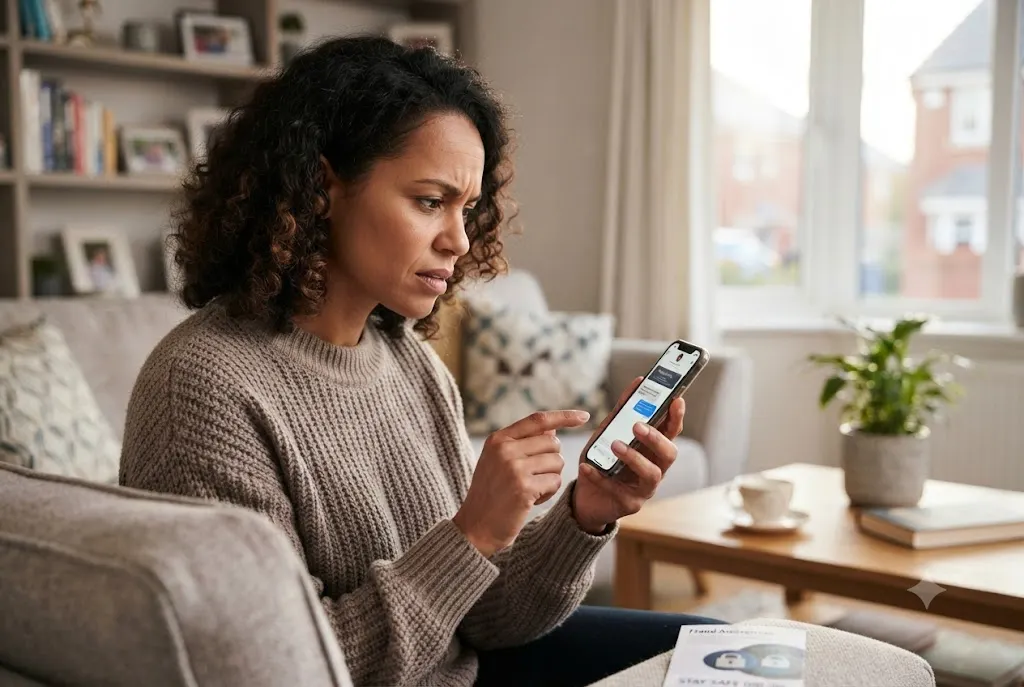
Dating fraud has become one of the most emotionally damaging forms of online crime in the UK. Unlike many financial scams that focus solely on stealing money, romance scams often involve weeks or months of emotional manipulation before victims are persuaded to send funds, share sensitive information, or invest in fraudulent schemes.
As online dating platforms continue to grow in popularity, fraudsters are finding new ways to exploit trust and build convincing relationships. Understanding how romance scams work can help users recognise warning signs and avoid becoming victims.
What Is Dating Fraud?
Dating fraud occurs when a scammer creates a fake romantic relationship to gain financial or personal benefits from a victim.
The fraudster may use:
- Fake identities
- Stolen photographs
- Fabricated life stories
- False emergencies
- Invented investment opportunities
Their ultimate goal is usually financial gain, although some scammers also seek personal information that can be used for identity theft.
How Romance Scams Typically Work
Most romance scams follow a predictable pattern.
- The scammer initiates contact.
- They quickly build trust and emotional attachment.
- Communication moves away from the dating platform.
- A financial problem or opportunity is introduced.
- The victim is asked to send money.
In some cases, requests begin with small amounts before escalating significantly over time.
Common Dating Site Scams
Modern dating site scams appear on almost every type of online dating platform.
Fraudsters often claim to be:
- Military personnel stationed overseas
- Successful business owners
- Doctors working abroad
- Engineers on international projects
- Widowed professionals
- High-income investors
These stories are designed to explain why face-to-face meetings are difficult while also creating opportunities for future financial requests.
Tinder Scams and App-Based Romance Fraud
Tinder scams and similar app-based fraud schemes have increased significantly as mobile dating applications have become more popular.
Common tactics include:
- Fake profiles using stolen photographs.
- Investment opportunities involving cryptocurrency.
- Requests for emergency financial assistance.
- Gift card payment schemes.
- Links to fraudulent websites.
Many scammers attempt to move conversations away from the dating app quickly to avoid platform security measures.
Common Romance Scammer Phrases
Experienced fraudsters often use similar language patterns. Recognising common romance scammer phrases can help identify suspicious behaviour.
Examples include:
- “I’ve never felt this connection before.”
- “You are my soulmate.”
- “I trust you completely.”
- “I need your help with an emergency.”
- “I can’t access my bank account right now.”
- “We will be together soon.”
- “This investment opportunity will change our lives.”
While these phrases may seem harmless individually, repeated emotional pressure combined with financial requests should raise concerns.
Romance Scammer Photos: Why They Look Genuine
Many victims wonder why romance scammer photos appear so convincing.
Fraudsters often steal images from:
- Social media accounts
- Professional websites
- Model portfolios
- Public profiles
- Military personnel photographs
Because the images belong to real people, they often appear completely authentic.
Reverse image searches can sometimes reveal whether photographs are being used elsewhere online.
Why Romance Scams Are So Effective
Dating fraud differs from many other scams because it focuses heavily on emotional manipulation.
Scammers invest time building trust before discussing money.
Victims may feel:
- Emotional attachment
- Trust and loyalty
- Responsibility to help
- Fear of losing the relationship
- Hope for a future together
These emotions can make it difficult to recognise obvious warning signs.
Warning Signs of Dating Fraud
Several indicators appear repeatedly across romance scam cases.
- Rapid declarations of love.
- Refusal to meet in person.
- Excuses for avoiding video calls.
- Requests for money.
- Emergency financial situations.
- Investment opportunities.
- Pressure to keep the relationship secret.
Any request involving money should be treated with caution, particularly when the relationship exists primarily online.
How Dating Fraud Connects to Other Scams
Modern romance scams frequently overlap with other forms of fraud.
For example, scammers may encourage victims to invest in fake cryptocurrency schemes. Those affected may find useful information in our guide on crypto scam recovery UK.
Similarly, many romance scammers use fake identities and fabricated credentials, making these schemes closely related to impersonation fraud.
Criminal groups often operate multiple scam types simultaneously.
What to Do If You Suspect a Romance Scam
If you suspect that an online relationship may be fraudulent, it is important to act carefully.
- Stop sending money immediately.
- Preserve communications.
- Save screenshots and photographs.
- Verify claims independently.
- Discuss concerns with trusted friends or family.
- Report suspicious accounts to the platform.
Seeking an outside perspective can often help identify manipulation that may not be obvious to someone emotionally involved.
What If You Have Already Sent Money?
If funds have already been transferred, act quickly.
- Contact your bank.
- Report the fraud.
- Monitor account activity.
- Preserve evidence.
- Change compromised passwords.
Victims seeking recovery guidance may find our article on how to get money back from a scammer helpful.
Reporting Romance Scams in the UK
Reporting fraud helps authorities identify criminal networks and protect future victims.
For official reporting guidance, consumers can review resources provided by Action Fraud.
Useful evidence may include:
- Chat histories.
- Email communications.
- Payment records.
- Profile screenshots.
- Photographs used.
- Bank transaction details.
Detailed reports improve the effectiveness of investigations.
How to Stay Safe While Dating Online
Safe online dating practices can significantly reduce risk.
- Take time to build trust.
- Verify identities independently.
- Use video calls where possible.
- Be cautious of rapid emotional attachment.
- Never send money to someone you have not met.
- Question investment opportunities.
- Protect personal information.
A healthy level of scepticism can help prevent financial and emotional harm.
Final Thoughts
Dating fraud and romance scams continue to affect thousands of people each year. By exploiting trust, affection, and emotional vulnerability, scammers can persuade victims to make decisions they would not normally consider.
Understanding common romance scam tactics, recognising warning signs, and verifying identities carefully can help UK users enjoy online dating more safely while reducing the risk of becoming victims of fraud.
