

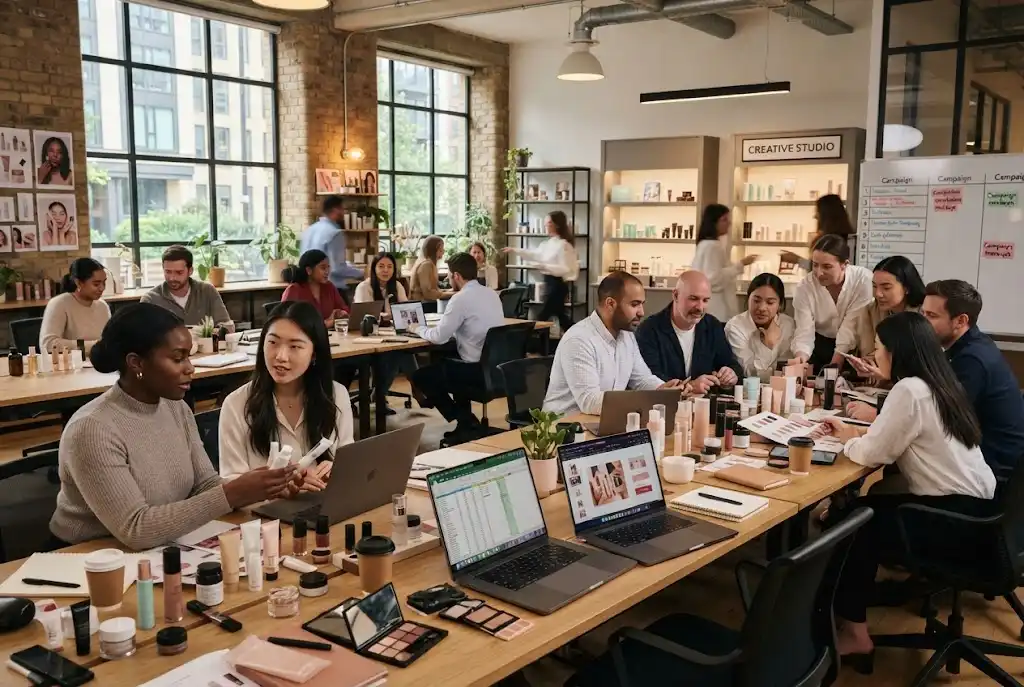
Beauty careers cover far more than working as a makeup artist or beauty therapist. The UK beauty industry includes retail, ecommerce, marketing, social media, buying, merchandising, customer service, product development, education, content creation and management. As beauty brands increasingly combine physical retail with digital shopping and community-led marketing, there are also opportunities for people with commercial, creative and technical skills.
Whether you are leaving education, changing careers or already working in the beauty sector, understanding the different routes can help you identify roles that match your strengths. Large beauty retailers such as BEAUTY BAY, BEAUTY PIE and Cult Beauty also demonstrate how many different functions are needed to operate a modern beauty business.
What Are Beauty Careers?
Beauty careers are professional roles connected to the development, promotion, sale or delivery of beauty products and services. Some jobs are customer-facing, while others take place behind the scenes.
Traditional roles include beauty therapists, makeup artists, hairstylists, nail technicians and skincare specialists. However, the modern beauty industry also needs ecommerce managers, buyers, graphic designers, digital marketers, warehouse teams, data analysts, product developers and customer experience specialists.
This variety means you do not necessarily need to train as a therapist or makeup artist to build a career in beauty. Your existing experience in retail, marketing, technology, finance or communications may already provide useful transferable skills.
Popular Beauty Careers in the UK
The right career path depends on your interests, qualifications and preferred working environment. Some roles require practical training, while others focus more heavily on commercial or professional skills.
Beauty Therapist
Beauty therapists provide treatments such as facials, waxing, manicures and other personal-care services. The exact treatments depend on the employer, qualification level and workplace.
This route can suit people who enjoy working directly with customers and building long-term relationships. Attention to detail, communication and hygiene are important parts of the role.
Makeup Artist
Makeup artists can work across retail, events, weddings, photography, television, theatre and fashion. Some work for established employers, while others operate independently and build their own client base.
Portfolio development is particularly important for creative roles. A strong portfolio can demonstrate technique, versatility and an understanding of different looks and clients.
Hair and Beauty Retail
Retail is another major route into the beauty industry. Specialist hair and cosmetics shops require sales assistants, supervisors, store managers and customer service professionals.
Knowledge of products can become increasingly valuable as you gain experience. If you enjoy helping customers choose haircare, cosmetics, skincare or beauty accessories, retail can provide a practical starting point.
Beauty Buyer
Buyers help retailers decide which products and brands to stock. The role combines commercial judgement with an understanding of customers, pricing, trends and product performance.
Buying can be a strong option for people who enjoy analysing products but prefer a commercial role rather than direct treatment work.
Beauty Marketing
Marketing teams promote products through advertising, email, social media, content, public relations, influencer partnerships and other channels.
Beauty marketing can suit people with writing, photography, design, social media or analytical skills. Digital marketing experience can be particularly transferable because beauty businesses increasingly depend on ecommerce and online discovery.
Ecommerce and Digital Roles
Beauty retailers need professionals to manage websites, product pages, online merchandising, customer journeys, email campaigns and digital performance.
These positions can suit people with backgrounds in web development, UX, SEO, analytics or ecommerce. A person does not necessarily need a beauty-specific qualification if they can demonstrate strong technical and commercial skills.
Beauty BAY Careers
Beauty BAY careers can appeal to candidates interested in working for a digital-first beauty retailer. BEAUTY BAY currently operates an official careers site, and its business spans categories including makeup, skincare, haircare, body care, fragrance and beauty tools.
The company’s careers platform is useful for candidates who want to monitor opportunities directly rather than relying only on third-party job boards. Its current corporate presence also shows how a modern beauty retailer combines product merchandising with digital commerce and customer engagement. ([BEAUTY BAY Careers](https://careers.beautybay.com/))
When applying for a role with a beauty retailer, read the job description carefully. A marketing position, for example, may require very different experience from a merchandising, customer service or technology position.
Beauty Pie Careers
Beauty Pie careers provide another route into the beauty industry. BEAUTY PIE describes itself as a beauty company working with laboratories and developing products across categories such as skincare, makeup, haircare, bodycare and fragrance.
The company’s current website also provides applicant privacy information for people who apply for roles or contact the company about opportunities. This confirms that recruitment is an established part of the business, although candidates should check current official listings for available positions rather than assuming that a particular role is open. ([BEAUTY PIE applicant information](https://www.beautypie.com/pages/applicant-privacy-policy))
People interested in Beauty Pie jobs should therefore monitor the company’s own recruitment information and tailor applications to the specific requirements of each position.
Cult Beauty Careers
Cult Beauty careers may appeal to candidates interested in beauty ecommerce, retail, merchandising, content and brand development. Cult Beauty’s current platform covers a broad range of beauty categories and brands, including makeup, skincare, haircare and fragrance.
The company’s online operation demonstrates the importance of digital skills in the modern beauty sector. Product discovery, online merchandising, editorial content, customer experience and commercial performance all contribute to how a beauty ecommerce business operates. ([Cult Beauty](https://www.cultbeauty.co.uk/))
If you are searching for Cult Beauty jobs, focus on the specific skills requested in each vacancy. Experience in ecommerce, digital marketing, customer service, buying or content can be relevant depending on the role.
What Skills Are Useful for Beauty Careers?
The skills required vary significantly between roles, but several qualities are valuable across the industry.
- Communication: Clear communication helps with customers, colleagues, suppliers and business partners.
- Product knowledge: Understanding ingredients, product categories and customer needs can improve performance in many roles.
- Commercial awareness: Retail and ecommerce professionals need to understand customers, pricing and business objectives.
- Creativity: Makeup, content, social media, design and brand roles often require strong creative thinking.
- Organisation: Beauty businesses manage products, launches, campaigns, stock and customer orders, making organisation essential.
- Digital skills: Ecommerce, analytics, social media, SEO and website management are increasingly useful.
- Attention to detail: Accuracy matters in product information, customer service, merchandising and marketing.
- Customer focus: Understanding what customers want is valuable across both retail and online environments.
Do You Need a Beauty Qualification?
There is no single qualification that covers all beauty careers. Requirements depend on the position.
Practical treatment roles may require recognised training and relevant qualifications. Other roles, such as marketing, ecommerce, finance, HR or technology, may prioritise experience and professional qualifications in those disciplines instead.
For creative roles such as makeup artistry, a portfolio can sometimes be just as important as formal education. Retail positions may place greater emphasis on customer service and product knowledge.
If you are unsure which route to choose, compare several job descriptions for the same type of role. This gives you a clearer picture of the skills and qualifications employers commonly request.
How to Start a Career in Beauty
If you are new to the industry, you do not need to start with a highly specialised position. Entry-level retail, customer service, salon or administrative roles can provide valuable industry experience.
Start by identifying the area of beauty that interests you most. Someone who enjoys people and practical work might consider salon or treatment roles. Someone interested in computers and online business might prefer ecommerce. A creative person may prefer makeup, content or design.
Once you have identified a direction, build evidence of your skills. This could include qualifications, work experience, a portfolio, personal projects, relevant training or measurable results from previous employment.
Building Experience Through Retail
Beauty retail can be an accessible entry point because it combines product knowledge, customer service and commercial experience. Working in a specialist shop can also expose you to different customer needs and product categories.
For example, staff working in specialist hair and cosmetics shops may learn about wigs, extensions, haircare, skincare and cosmetics while developing sales and communication skills. Our guide to hair and cosmetics shops provides additional context on the specialist retail side of the industry.
Retail experience can later support applications for supervisory, buying, merchandising, ecommerce or brand roles.
Beauty Careers in Ecommerce
Online beauty retail has created career opportunities that did not traditionally exist within high-street beauty businesses. Websites require product managers, developers, SEO specialists, content writers, photographers, designers, analysts and customer experience teams.
This makes ecommerce particularly interesting for people who already have digital skills. A background in website management, digital marketing or analytics can potentially be combined with beauty knowledge to create a specialised career profile.
Beauty ecommerce also rewards people who understand both the customer and the technology. Product descriptions, category pages, search functionality, email campaigns and promotional content all influence the online shopping experience.
How to Apply for Beauty Jobs
A strong application should be tailored to the role rather than sent unchanged to every employer.
Read the Job Description
Identify the skills the employer has specifically requested. Use your CV and cover letter to demonstrate relevant experience instead of listing every skill you have.
Show Results
Where possible, explain what you achieved rather than simply describing your responsibilities. For example, a retail candidate might highlight improvements in customer service or sales performance, while a digital candidate might describe a successful website or campaign.
Use a Relevant Portfolio
Creative candidates should make it easy for employers to see their work. A makeup artist might include photographs of different looks, while a content creator could show campaigns, photography, video or written work.
Research the Employer
Understanding the company’s products, customers and brand positioning can help you produce a more relevant application. It also gives you useful context for interviews.
Where Can Beauty Careers Lead?
A beauty career does not have to remain in the same role forever. Experience can create opportunities to move into management, training, buying, marketing, merchandising, product development or entrepreneurship.
A retail assistant might progress to store management. A content specialist could move into brand marketing. A therapist might become self-employed or open a salon. A digital specialist could build expertise in ecommerce for beauty brands.
The industry’s range of roles means career development can take many different directions.
How to Keep Developing Your Skills
The beauty industry changes quickly, so continuing professional development can be useful. New products, digital channels, consumer expectations and retail technologies can all influence the skills employers value.
Follow reputable industry publications, attend relevant training, develop practical experience and monitor job descriptions for roles you may eventually want. Job advertisements can be particularly useful because they show the skills employers are currently requesting.
If you are interested in retail locations as well as careers, our guide to Beauty Queens locations provides another perspective on the specialist beauty retail market. Those researching specialist hair retailers can also read about black hair shops near you.
Final Thoughts
Beauty careers offer far more options than traditional salon roles alone. The UK beauty sector needs people with practical, creative, commercial and digital skills, creating opportunities for candidates with very different backgrounds.
Whether you are interested in Beauty BAY careers, Beauty Pie jobs, Cult Beauty jobs or opportunities with independent retailers, start by identifying the type of work that suits your strengths. Then compare current vacancies, build the relevant skills and tailor each application to the employer.
The strongest career path is not necessarily the one with the most recognisable brand name. It is the one that gives you relevant experience, opportunities to develop and a realistic route towards the type of work you want to do long term.
