

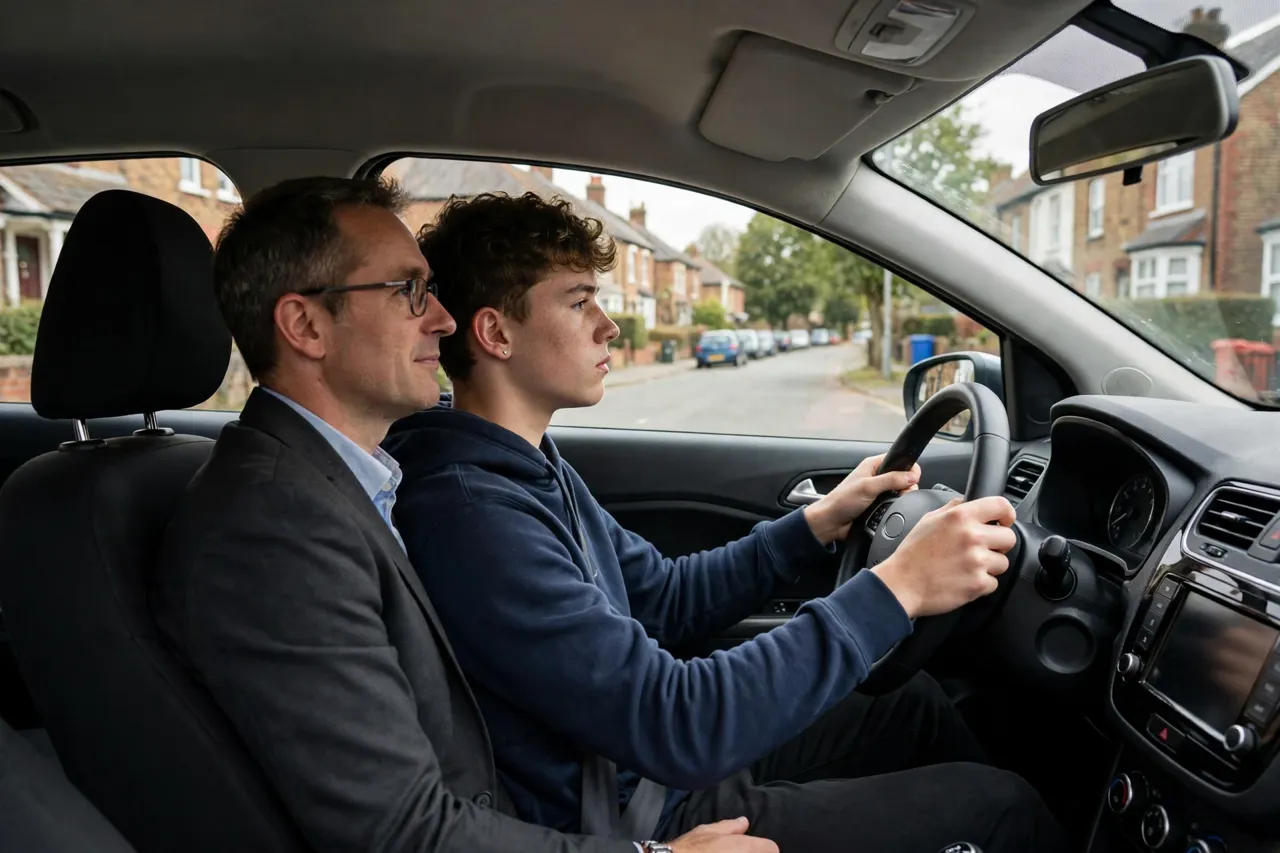
Learning to drive is one of the biggest steps towards independence, and the person sitting next to you during those first months matters more than the car you learn in. Knowing how to choose a driving instructor in the UK can be the difference between dreading every lesson and actually looking forward to them. A good instructor teaches you to drive safely for life, not just to scrape through the test, and the right match can save you money on extra lessons too. This guide walks you through the checks, questions and warning signs that help you find an instructor who fits how you learn.
Check the Instructor Is Properly Registered
The first step in how to choose a driving instructor is confirming they are legally allowed to charge you for lessons. In the UK, paid driving tuition can only be given by instructors registered with the Driver and Vehicle Standards Agency (DVSA). Fully qualified instructors are called Approved Driving Instructors (ADIs) and display a green badge in their windscreen. Some instructors are trainees, known as Potential Driving Instructors (PDIs), who display a pink badge while they gain experience under supervision. Trainees are legal and often cheaper, but they have not yet passed the final qualifying exam, so it is worth knowing which type you are booking.
You can check an instructor’s status on the official GOV.UK “find driving schools, lessons and instructors” service before you pay anything. Be wary of anyone offering paid lessons without a badge displayed, and never hand over large sums in advance to someone you found through a social media advert without verifying them first. If a deal goes wrong, our guide on how to get money back from a scammer in the UK explains the steps to take.
Look at Pass Rates and Reviews Carefully
Most instructors and driving schools advertise their pass rates, and a strong record can be a good sign. Treat headline figures with a little caution, though: an instructor who mainly teaches confident learners in a quiet rural area will naturally post different numbers to one working in a busy city test centre. First-time pass rates matter more than overall rates, and consistency over several years matters more than one exceptional year.
Independent reviews tell you things a pass rate cannot: whether the instructor stays calm when you stall at a roundabout, whether lessons start on time, and whether the teaching style is structured or improvised. Look for patterns across reviews rather than one glowing or furious comment. Repeated praise for patience is especially valuable if you are a nervous learner, while repeated complaints about cancelled lessons or rushed test preparation are a clear warning sign.
Match the Car and Lesson Format to Your Needs
Decide early whether you want to learn in a manual or an automatic car. Passing in a manual gives you a licence that covers both, while an automatic licence restricts you to automatics only. With electric and hybrid cars becoming more common, some learners now train in automatics from the start, which is a perfectly sensible choice if that is what you plan to drive. It also helps to ask whether the instructor’s car has dual controls (it should), air conditioning for summer lessons, and whether they offer lessons in your own car once you have some experience.
Lesson length and intensity are part of how to choose a driving instructor too. Standard lessons usually last one or two hours. Intensive courses compress learning into a few weeks and suit people with a deadline, but they are demanding and not right for everyone. Ask about pick-up and drop-off points, evening and weekend availability, and whether the instructor covers your local test centre routes, because familiarity with local junctions and roundabouts is a genuine advantage on test day.
Compare Prices Without Chasing the Cheapest Deal
Lesson prices vary by region, instructor experience and lesson length, and the cheapest hourly rate is rarely the cheapest route to a licence. An inexperienced or poorly matched instructor who needs ten extra lessons to get you test-ready costs far more than a slightly pricier instructor who teaches efficiently. Ask exactly what the price includes: some instructors charge extra for test-day car hire, while others include it.
Block booking discounts can bring the cost down, but only commit to a large block after a trial lesson or two. A reasonable approach is to book a single assessment lesson first, then decide. Also check the cancellation policy on both sides: life happens, and a fair policy protects you if work, college or illness gets in the way. Keep receipts and written confirmation of what you have paid for, just as you would with any other service.
Questions to Ask Before You Book
A short conversation before booking reveals a lot. Useful questions include:
- Are you a fully qualified ADI, and can I see your badge?
- How do you structure lessons, and do you follow a progress record or syllabus?
- What is your first-time pass rate at my local test centre?
- Do you offer a mock test before the real thing?
- What happens if I need to cancel or rearrange?
- Can you teach at the times I am available, including weekends?
Notice how the instructor answers. Someone who explains things clearly and patiently on the phone is likely to teach the same way in the car. Vague answers about qualifications or pressure to pay for a huge block immediately are reasons to keep looking.
After You Pass: Your First Months as a Driver
Passing your test is the start, not the finish. New drivers quickly discover the running costs that come with a car, so it pays to learn the basics early. Our guide on how often you should get your car serviced explains the intervals that keep a car reliable, and a free vehicle health check is a smart first step when you buy a used car. Budgeting is easier when you know the typical garage services costs in the UK, and if you are considering an electric car, our explainer on EV servicing shows how maintenance differs. Small comforts matter on long drives too, as our guide to car air conditioning services shows.
One last tip: book a mock test with your instructor a couple of weeks before the real exam, ideally with a route you have not practised. It exposes weak spots while there is still time to fix them, and experiencing test conditions once, the silence, the examiner’s clipboard, the unfamiliar instructions, makes the real day feel far less daunting.
Choosing the right instructor takes a little research, but it pays off in fewer lessons, calmer learning and safer habits that stay with you for decades. Check the registration, read the reviews properly, ask direct questions, and trust how the first lesson feels. The right instructor will make you a confident driver, not just a test passer.
