

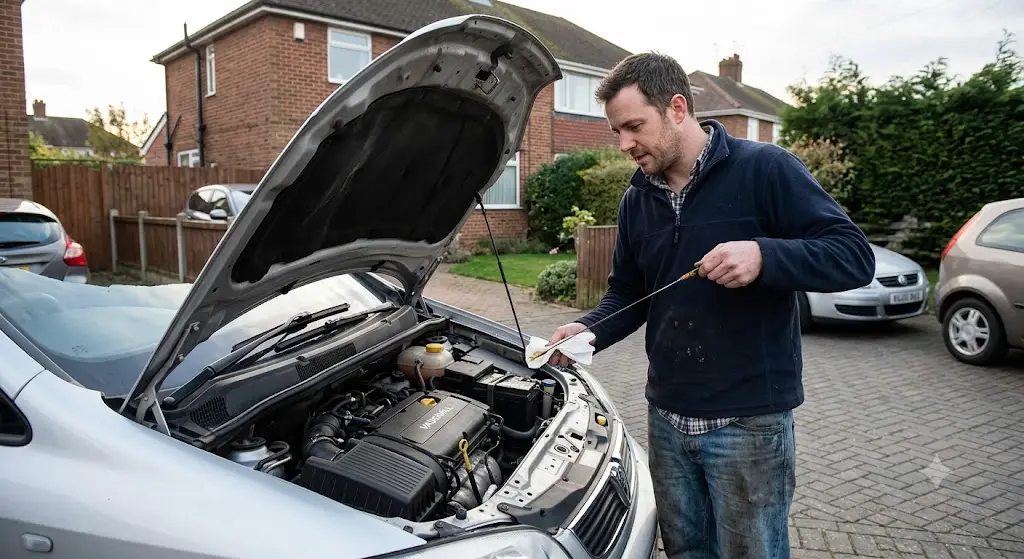
Knowing how often should you get car serviced is essential for keeping your vehicle safe, efficient, and reliable. Regular servicing not only prevents costly repairs but also ensures your car performs at its best throughout the year.
In the UK, service intervals can vary depending on your vehicle type, driving habits, and manufacturer recommendations. This guide will help you understand the ideal servicing schedule and what to expect.
General Car Servicing Intervals
As a rule of thumb, most cars in the UK should be serviced:
- Every 12 months, or
- Every 10,000 to 12,000 miles
However, some modern vehicles with advanced systems may have longer intervals, while older cars may require more frequent attention.
Following a consistent schedule helps reduce the need for major cars automotive repair and keeps your vehicle running smoothly.
Types of Car Services
Understanding different service types helps you plan maintenance effectively:
- Interim service: Every 6 months or 6,000 miles
- Full service: Every 12 months or 12,000 miles
- Major service: Every 24 months or 24,000 miles
Each level includes more detailed checks and part replacements, increasing the overall coverage of your vehicle’s condition.
Oil Change Frequency
An oil change of car is one of the most critical aspects of servicing. Engine oil lubricates moving parts and prevents wear and tear.
- Standard oil: every 5,000 – 7,500 miles
- Synthetic oil: every 10,000 – 15,000 miles
Regular oil changes are often included in service packages outlined in garage services cost, making it easier to budget your maintenance.
Factors That Affect Service Frequency
Not all cars require the same servicing schedule. Several factors can influence how often you should service your vehicle:
- Driving conditions (city vs motorway)
- Vehicle age and mileage
- Driving habits (frequent short trips or heavy loads)
- Manufacturer recommendations
For example, cars driven in stop-start traffic may need more frequent servicing compared to those used mainly on highways.
Signs Your Car Needs Servicing
Even if you follow a schedule, your car may show signs that it needs attention sooner:
- Warning lights on the dashboard
- Unusual engine noises
- Reduced fuel efficiency
- Difficulty starting
- Vibrations while driving
If you notice these issues, consider booking a free vehicle health check to identify problems early.
Servicing and MOT: What’s the Difference?
Many drivers confuse servicing with MOT testing, but they serve different purposes:
- Service: Maintenance to keep your car running efficiently
- MOT: Legal requirement to ensure roadworthiness
Ideally, you should service your car before an MOT to increase the chances of passing.
Cost of Car Servicing in the UK
Servicing costs vary depending on the type of service and vehicle model:
- Interim service: £100 – £180
- Full service: £180 – £350
- Major service: £300 – £600+
These prices can vary across locations and garages, so comparing options is always a good idea.
Car Service Tips to Extend Vehicle Life
- Check fluid levels regularly
- Maintain proper tyre pressure
- Keep your car clean to prevent corrosion
- Address minor issues promptly
- Follow manufacturer guidelines
Combining these habits with services like wheel tracking cost UK ensures better performance and safety.
Why Regular Servicing Matters
Routine servicing offers several long-term benefits:
- Improved fuel efficiency
- Enhanced safety
- Reduced repair costs
- Higher resale value
Skipping services may save money short term but often leads to more expensive repairs later.
Final Thoughts
Understanding how often should you get car serviced helps you maintain your vehicle effectively and avoid unexpected breakdowns. By following a regular schedule and paying attention to warning signs, you can keep your car in excellent condition year-round.
For official guidance, visit UK vehicle maintenance and MOT advice, a trusted resource for drivers.
